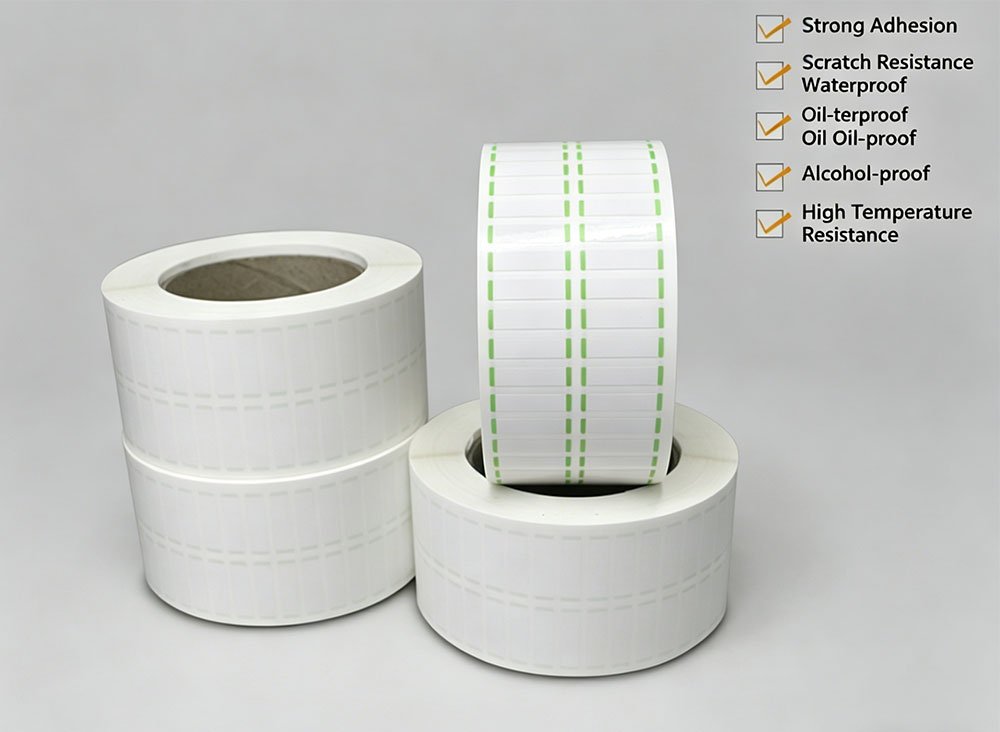
Why Label Materials Selection Matters

The chosen facestock influences conformability, durability, print quality, surface compatibility, regulatory acceptance, and total landed cost. A correct material match at the specification stage reduces label failure, rework, and supply-chain risk.

Application Fit

Assess curvature, substrate type, storage conditions, and end-use environment before selecting the label material.

Compliance Readiness

For export programs, align the material with food-contact, medical, and environmental requirements in the target market.

Print & Conversion Quality

Material structure affects ink anchorage, die-cut precision, barcode readability, and special finishing performance.

Four Common Self-Adhesive Label Materials

Below is a practical technical summary of each material, including core properties, additional performance parameters, strengths, limitations, application scenarios, and compatible processes.

PVC self-adhesive label material
PVC Self-Adhesive Material

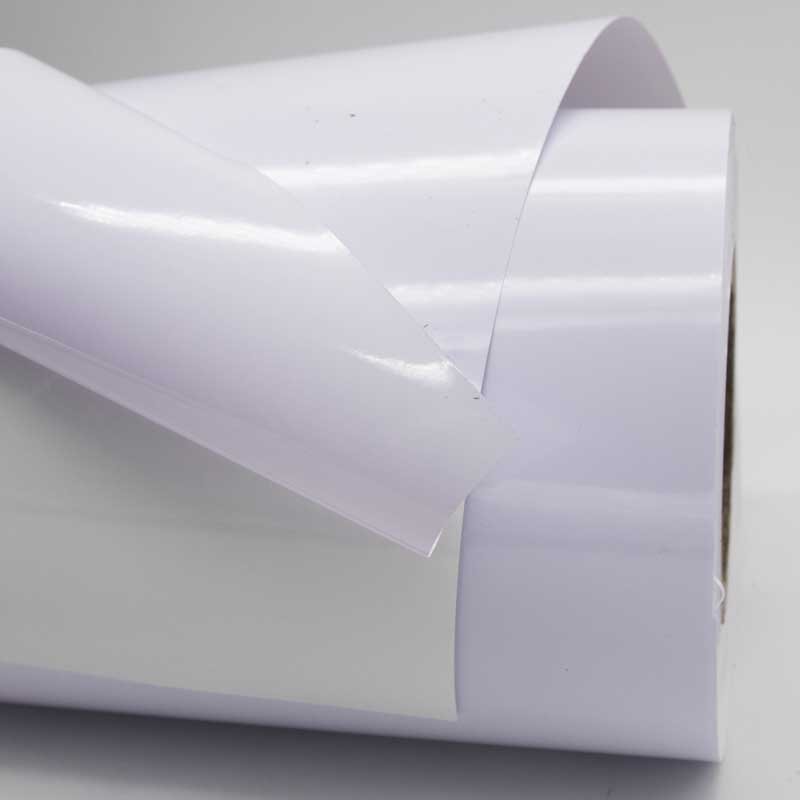
PVC is a versatile general-purpose facestock known for its excellent flexibility and conformability. It performs reliably on irregular or cylindrical substrates, making it a practical choice for standard packaging programs where cost efficiency and stable converting are the main priorities.

  • Thickness: 0.08–0.15 mm
  • Temperature performance: suitable for approximately -10°C to 60°C in standard applications
  • Tensile characteristic: soft, flexible substrate with strong wrap-around performance
  • Surface finish: available in glossy or matte appearance for different branding styles
  • Best for: budget packaging, household chemicals, toys, electronics accessories, and promotional labels
  • Recommended service life: short to medium term in indoor or controlled environments

Strengths: excellent conformability, easy converting, fast mass production, and strong value for price-sensitive orders. Limitations: weaker environmental profile, limited heat resistance, poor resistance to strong alcohol or solvents, and potential yellowing under prolonged UV exposure.

Processes: digital printing, offset printing, screen printing, hot stamping, UV embossing, and standard die-cutting.

PET self-adhesive label material
PET Self-Adhesive Material

PET is a high-specification facestock engineered for demanding applications. With excellent dimensional stability and outstanding resistance to heat, moisture, and chemicals, it is widely specified for labels that must remain legible and intact throughout long-term use or harsh operating conditions.

  • Thickness: 0.10–0.20 mm
  • Temperature performance: standard grades are typically suitable for approximately -40°C to 120°C, with higher-heat grades available for demanding applications
  • Dimensional stability: very low shrinkage, suitable for precision graphics and barcodes
  • Surface finish: available in clear, white, glossy, and matte grades
  • Best for: pharmaceutical labels, industrial ID, outdoor labels, premium cosmetics, anti-counterfeit labels, and durable asset tags
  • Recommended service life: medium to long term, including storage and exposure-intensive use cases

Strengths: superior weatherability, excellent chemical resistance, high print accuracy, strong barcode scan stability, and strong performance under sterilization or disinfecting conditions. Limitations: higher cost and lower conformability on tight curves or soft containers.

Processes: high-precision die-cutting, digital printing, offset printing, hot stamping, UV screen printing, alcohol-resistant finishing, and barcode / QR code printing.

BOPP self-adhesive label material
BOPP Self-Adhesive Material

BOPP is a lightweight oriented polypropylene facestock favored for high-clarity packaging labels and high-volume consumer goods. It combines a clean visual appearance with good stiffness and efficient converting, making it a strong fit for fast-moving, retail-facing products.

  • Thickness: 0.06–0.10 mm
  • Temperature performance: typically suitable for approximately -20°C to 80°C in conventional packaging use cases
  • Transparency: typically above 92% for clear grades
  • Surface finish: transparent, glossy, or matte depending on packaging design
  • Best for: transparent bottle labels, food packaging, personal care packaging, logistics labels, and e-commerce waybills
  • Recommended service life: short to medium term in indoor, chilled, or controlled retail environments

Strengths: high clarity, attractive shelf appeal, stable converting, good moisture resistance, and strong economics in bulk orders. Limitations: weaker oil / solvent resistance, lower suitability for severe outdoor exposure, and limited toughness in very low temperatures.

Processes: offset printing, gravure printing, transparent printing, lamination, and standard die-cutting.

Synthetic paper self-adhesive label material
Synthetic Paper Self-Adhesive Material

Synthetic paper is a paper-like polymer facestock that combines a premium visual feel with reliable moisture resistance and writability. It is frequently chosen for food, baby-care, and eco-positioned labels where a paper appearance is desired without sacrificing durability.

  • Thickness: 0.10–0.18 mm
  • Temperature performance: generally suitable for approximately -30°C to 90°C, depending on grade and end-use conditions
  • Surface feel: paper-like texture with writable compatibility for markers and pens
  • Tear resistance: higher than conventional paper, helping labels stay intact in handling and transport
  • Best for: food labels, baby products, gift packaging, writable tags, eco-positioned packaging
  • Recommended service life: medium term in general packaging and retail applications

Strengths: sustainability positioning, excellent tear resistance, water resistance, and handwritten usability. Limitations: lower scratch resistance than PET and, for some grades, reduced opacity.

Processes: digital printing, offset printing, writing treatment, lamination, hot stamping, and standard die-cutting.

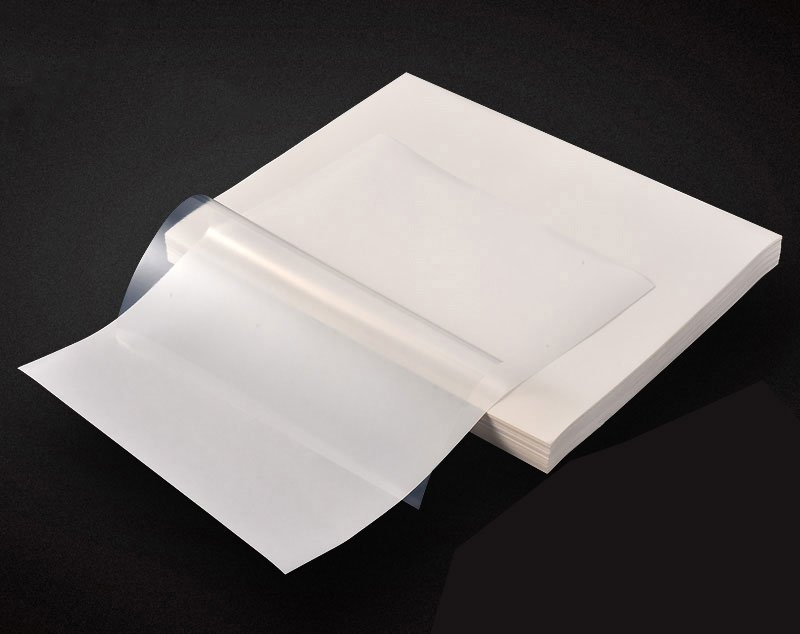
Self-Adhesive Label Material Comparison Chart

Use this matrix to compare technical parameters, chemical resistance, printability, sustainability, and cost positioning side by side.

Comparison DimensionPVCPETBOPPSynthetic Paper
Material CharacterFlexible, easy to process, and stable for standard mass productionRigid, weather-resistant, and highly stableLightweight, transparent, and visually cleanPaper-like look with polymer durability
Typical Thickness0.08–0.15 mm0.10–0.20 mm0.06–0.10 mm0.10–0.18 mm
Temperature Resistance-10°C to 60°C-40°C to 120°C-20°C to 80°C-30°C to 90°C
Water / Oil / Alcohol ResistanceWater: good; oil: average; alcohol: poorWater: excellent; oil: excellent; alcohol: excellentWater: good; oil: average; alcohol: poor against strong solventsWater: excellent; oil: moderate; alcohol: good
Scratch ResistanceMediumHighMediumMedium
Print AdaptabilityDigital, offset, and screen printingHigh-precision printing with excellent barcode stabilityOffset and gravure printing; excellent for transparent labelsDigital and offset printing; suitable for handwriting
Environmental PositioningLower sustainability profile and restricted in some marketsRecyclable and compliant for many regulated applicationsRecyclable, low-odor, and food-packaging friendlyRecyclable and available in eco-positioned grades
Relative Cost RangeLow to midMid to highLow to midMid
Best Use ScenariosGeneral packaging, detergents, toys, low-cost promotional labelsMedical, industrial, premium cosmetic, outdoor, and anti-counterfeit labelsTransparent beverage labels, FMCG packaging, logistics labels, and courier waybillsFood, baby care, writable labels, gift packaging, and eco-focused programs

Application Scenarios and Real-World Label Examples

Visual references help buyers quickly connect each facestock to its most common end-use environment and packaging format.

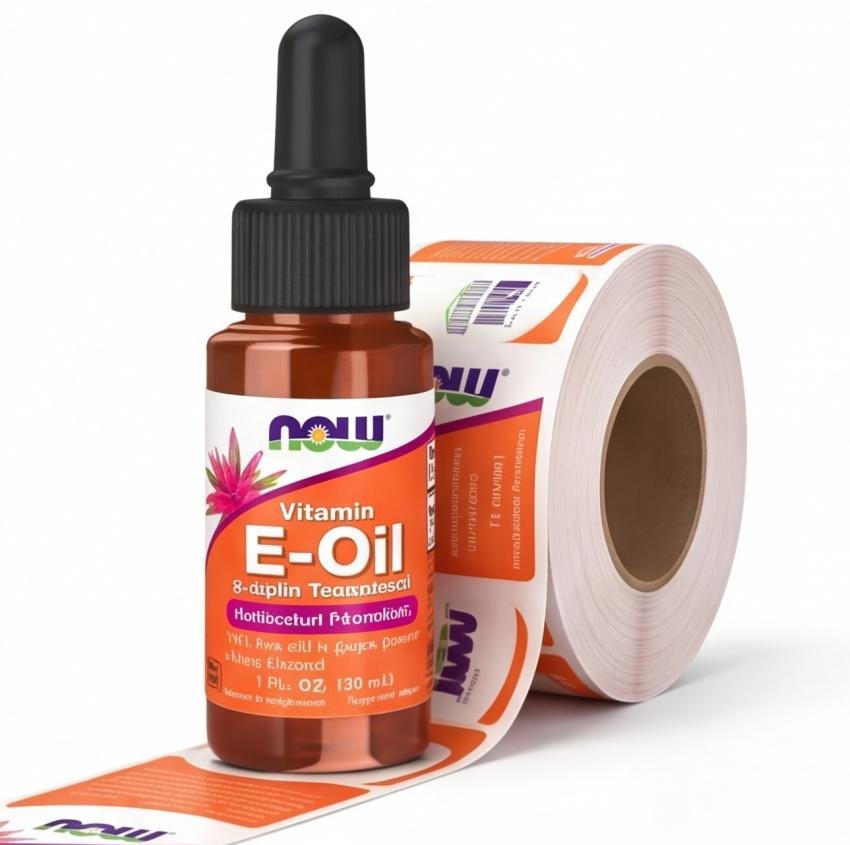
PVC label application
PVC material application on daily electronic accessories

PVC is commonly used on daily electronic accessories thanks to its flexibility, cost efficiency, and reliable performance on curved surfaces.

PET industrial label application
PET material application for outdoor waterproof and high-temperature applications

PET is ideal for outdoor, waterproof, and high-temperature applications where durability and chemical resistance are critical.

BOPP label application
BOPP material application on personal care products

BOPP is widely used on personal care products because it delivers a clean look, strong shelf appeal, and excellent clarity for premium packaging.

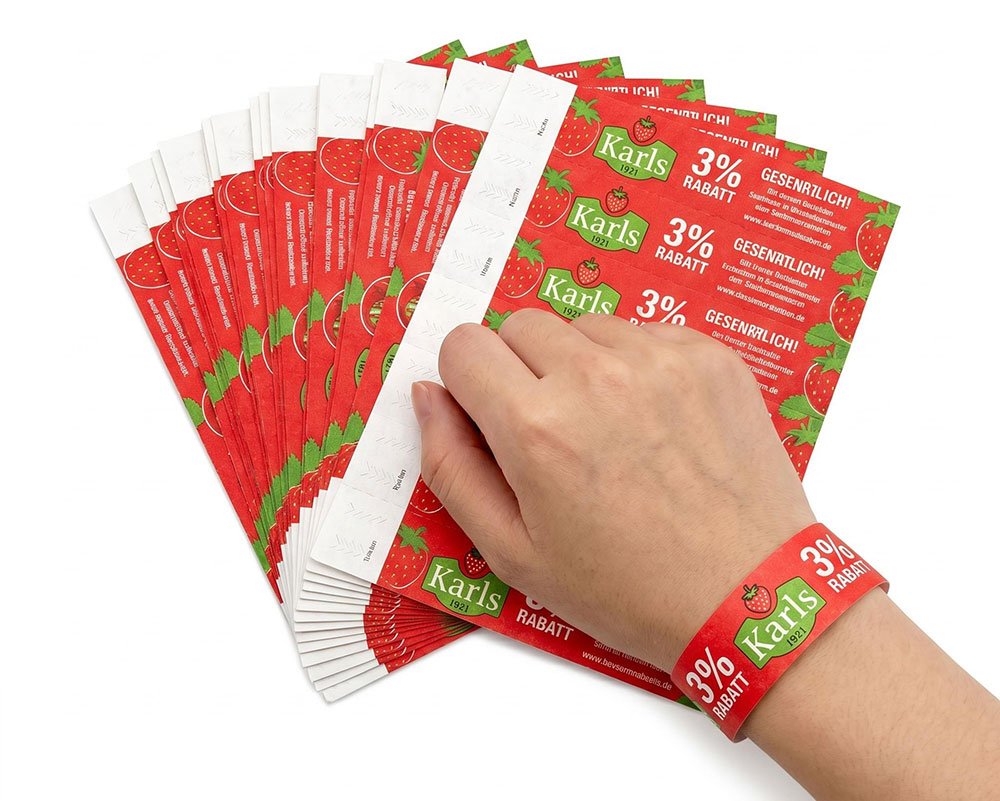
Synthetic paper label application
Synthetic paper application on custom thermal wristbands

Synthetic paper is well suited for custom thermal wristbands and writable identification products that require tear resistance, comfort, and print durability.

Self Adhesive Label PVC Film Products Specification Example

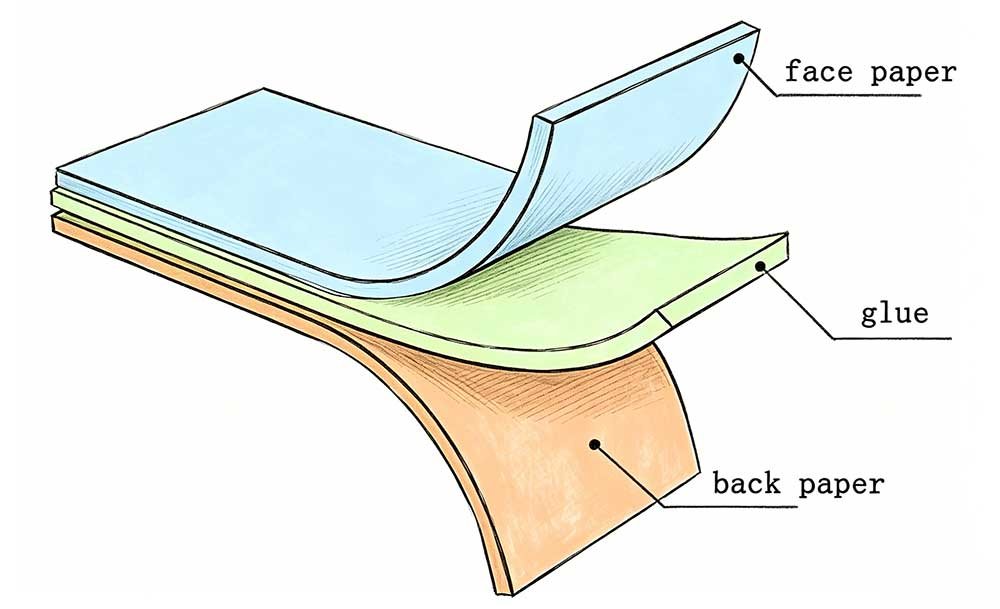
The specification example below illustrates a typical PVC label structure, including film, adhesive, release liner, and storage conditions.

PVC material
PVC label structure
ProductItemTechnical NameTest MethodUnitSpecification
PVC Film80um PVCThicknessISO536um80±5
Basic WeightElectronic Balanceg/m²112±3
100um PVCThicknessISO536um100±5
Basic WeightElectronic Balanceg/m²140±3
Film ColorGlossy White, Matt White, Transparent
AdhesiveWaterbasedWeightISO536g/m²22±3
Initial TackFTM9N/25MM>12
Peel Adhesive (24H)FTM1N/25MM>15
AdhesiveHot MeltWeightISO536g/m²20±3
Initial TackFTM9N/25MM>16
Peel Adhesive (24H)FTM1N/25MM>18
140g Yellow/White Silicone Release PaperBasic WeightISO536g/m²140±5
Release Force8±4
Label Tem>5°C
Service Tem-20 - 80°C
Shelf LifeT 23°C/50%Relative Humidity For 1 Year
Test conditionsISO Temperature:20±1°C Humidity:50±2%RH

Self Adhesive Label PET Film Products Specification Example

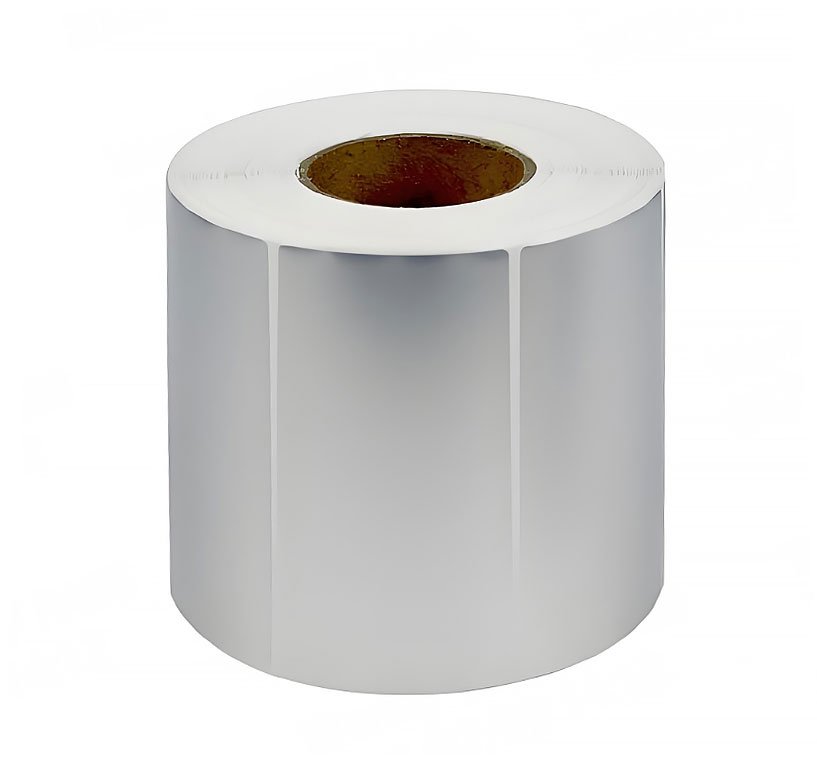
The specification example below illustrates a typical PET label structure, including film, adhesive, release liner, and storage conditions.

PET material
Silver PET label material
ProductItemTechnical NameTest MethodUnitSpecification
PET Film25um PETThicknessISO536um25±3
Basic WeightElectronic Balanceg/m²35±3
50um PETThicknessISO536um53±3
Basic WeightElectronic Balanceg/m²70±3
Film ColorTransparent, Glossy White, Matt White, Gold, Silver etc.
AdhesiveWaterbasedWeightISO536g/m²22±3
Initial TackFTM9N/25MM>12
Peel Adhesive (24H)FTM1N/25MM>15
AdhesiveHot MeltWeightISO536g/m²20±3
Initial TackFTM9N/25MM>16
Peel Adhesive (24H)FTM1N/25MM>18
140g Yellow/White Silicone Release PaperBasic WeightISO536g/m²140±5
CaliperISO534um138±5
Release Force8±4
Label Temp>5°C
Service Temp-20°C to 80°C
Shelf LifeT 23°C / 50% Relative Humidity for 1 Year
Test ConditionsISO Temperature: 20±1°C, Humidity: 50±2%RH

How to Choose the Right Label Material

Use the decision framework below to narrow the selection based on application environment, compliance requirements, print needs, and budget.

A fast-reference guide for procurement teams that need to shortlist the most suitable material at a glance.

1
For curved bottles

PVC

2
For chemical / medical / outdoor use

PET

3
For transparent packaging

BOPP

4
For food / baby care / writable labels

Synthetic Paper

1. Define the application scenario first

For food and baby-care projects, synthetic paper or food-grade BOPP is generally preferred, while PVC should be avoided in direct food-contact programs. For medical and industrial labels that face disinfection or chemical exposure, PET is the most reliable option. For transparent packaging and high-volume fast-moving consumer goods, BOPP usually offers the best balance of appearance and cost. For curved bottles and price-sensitive projects, PVC remains a practical solution.

2. Check regulatory and market access requirements

Export to Europe, North America, Australia, or other regulated markets requires early confirmation of material compliance. For food and medical orders, request material declarations and testing reports before production approval.

3. Match printing and finishing requirements

PET and BOPP are preferred when barcode accuracy, print clarity, and premium finishing are critical. Synthetic paper is the best choice when writable surfaces are required. If your project needs hot stamping, UV embossing, or anti-counterfeit conversion, PET and synthetic paper are typically the strongest candidates.

Label material selection workflow

Custom Sourcing Support for Overseas Buyers

Need a material recommendation?
Share your application temperature, surface condition, exposure to moisture or chemicals, and print expectations, and we will recommend the most suitable facestock and adhesive structure.

Need export-ready documentation?
We can support specification sheets and third-party test reports for procurement and compliance review.

Need a fast quotation?
Send your target market, annual demand, and preferred finish, and we will suggest the most cost-effective material solution for sampling and mass production.