
Last month a wine brand sent us back 12,000 sheets. The foil looked dull, almost gray. The printer had used matte lamination under the hot stamp, which is one of the fastest ways to kill metallic shine. We re-laminated with gloss, the foil popped, the brand kept its launch date. That kind of mistake is fixable. The ones that aren’t usually start with a sample that was never approved.
I’ve run lamination for label converters for 21 years. Most of the questions I get — “gloss or matte?”, “soft-touch worth the cost?”, “why is my cold-chain label cracking?” — all come back to the same thing. The film was picked before the use case was understood. This post is the conversation I’d have with you if you walked onto the press floor with a proof in your hand.
What Lamination for Labels Actually Does
Two jobs. The film (usually 12–18 μm BOPP) sits on top of the printed face stock and protects it from scratch, moisture, and rub. Same film also changes how the print looks and feels — gloss pulls light back at you, matte scatters it, soft-touch gives your fingertip something to push against.
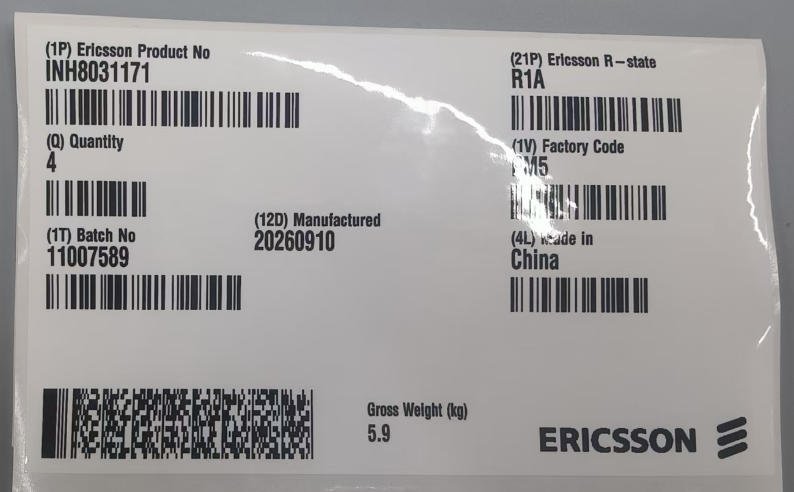
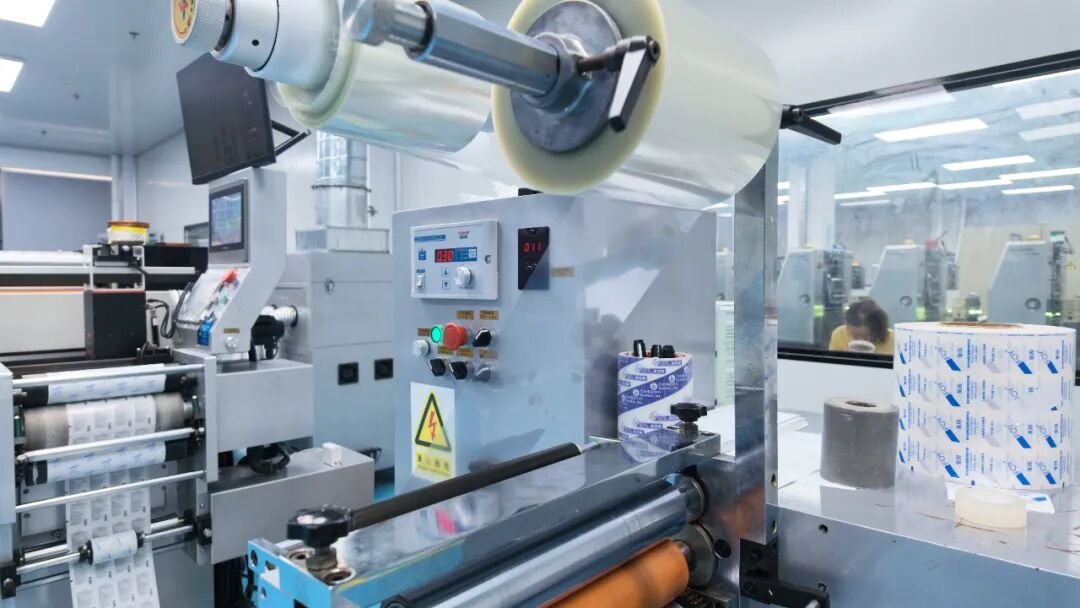
Most of what we run is BOPP laminate film. It’s clear, stable, cheap, and bonds well with water-based and solvent-based adhesives. When someone needs more — anti-fingerprint, low-temperature flexibility, velvet feel — we switch to a specialty grade. But the decision comes from the use case, not the catalog.
Gloss Lamination: When You Want the Print to Shout
Gloss film is a mirror. Light hits the surface and bounces back at the same angle, which is why colors look 15–20% more saturated on gloss than on the same art on matte. We measure this on press with a spectrophotometer — typical ΔE (CIE76) between gloss-laminated and matte-laminated versions of the same print sits around 3.5–5.0 on a Macbeth chart.
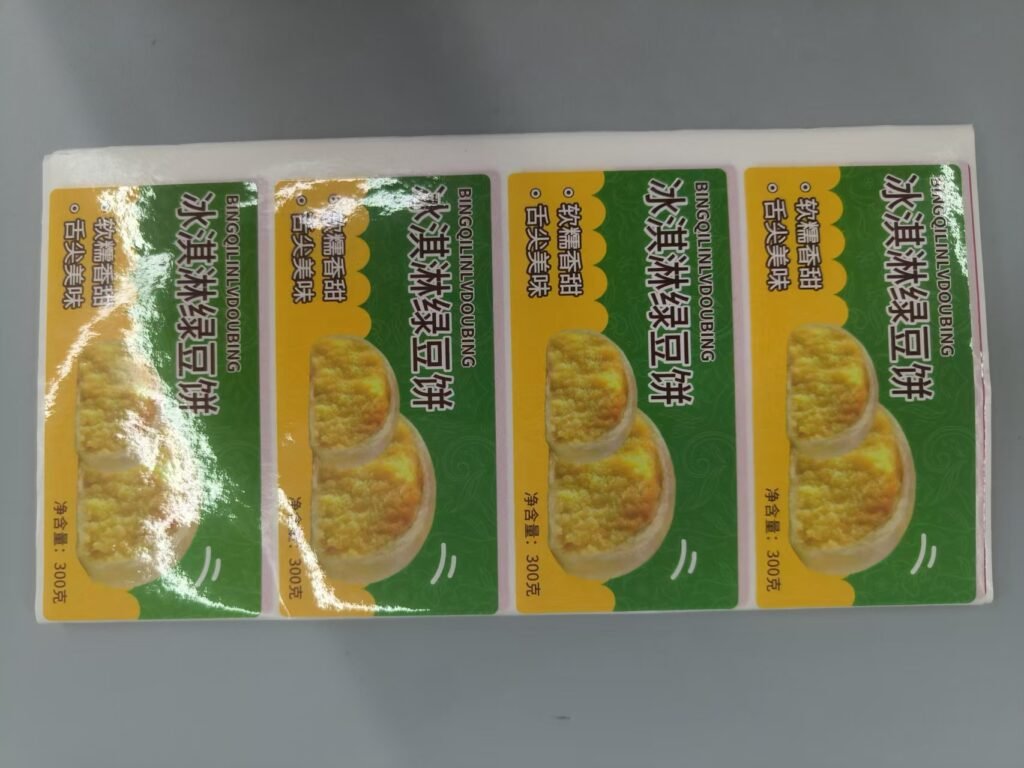
Where gloss wins:
- Color pop on shelf — beverage, snack, FMCG. If the design has bright reds, yellows, or heavy gradients, gloss makes them readable from two meters away.
- Foil stamping. Gloss doesn’t absorb the foil’s reflective layer, so hot-stamped gold and silver stay bright. We pair every metallic foil job with gloss unless the client insists otherwise.
- Scratch recovery. Light surface scuffs on gloss actually heal a little under heat during the laminating nip, which is a small but real advantage on transit-heavy SKUs.
Where gloss fails:
- Glare. A bottle under a fluorescent fixture at a 15° frontal angle is unreadable. This is why most premium spirits don’t use gloss on the body label.
- Dark colors. A solid black or navy panel on gloss picks up every fingerprint. We had a cosmetics client reject a run of 8,000 pieces because the QA team counted >12 visible prints per A4 sheet on dark blue. Switching to matte solved it in one sample.
Matte Lamination: Quiet, Premium, and Slightly Darker
Matte film scatters incoming light. The print underneath looks softer, more “paper-like.” That’s the appeal — and the trap. The same artwork on matte vs gloss will read 8–12% darker (we test this every week). If the proof was approved on screen or on a gloss-laminated sample, the matte production run will look like the saturation was pulled down.
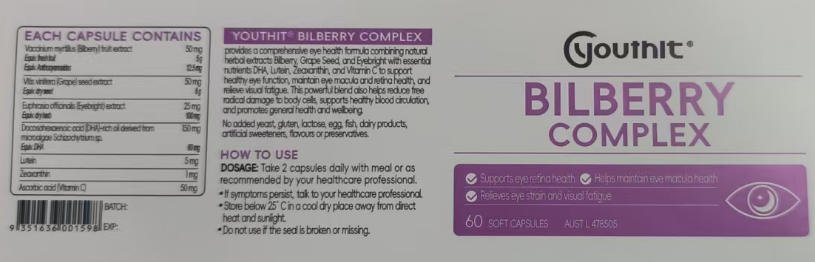
What matte does well:
- Reads under harsh light. Wine, perfume, and decor brands put matte on curved bottles because there’s no glare point.
- Hides handling marks. Fingerprints and light scuffs vanish into the diffuse surface.
- Premium feel at low cost. It’s the cheapest “premium” upgrade on the menu — typically only 5–8% more than gloss, versus 40–70% more for soft-touch.
What to watch for:
- Deep colors going muddy. Big solid areas of black, navy, or forest green need a bumped white-ink underlay on matte. Without it, the film scatters the dark pigment and the color reads as flat gray. We adjust the white plate by +12–18% on these jobs.
- Foil stamping under matte. The matte texture physically sits on top of the foil’s reflective layer. Result: a dull, brushed-metal look. If the client wants the foil to be bright, the order has to be either gloss lamination, or matte lamination + spot UV over the foil.
Soft-Touch Lamination: You’re Paying for the Finger
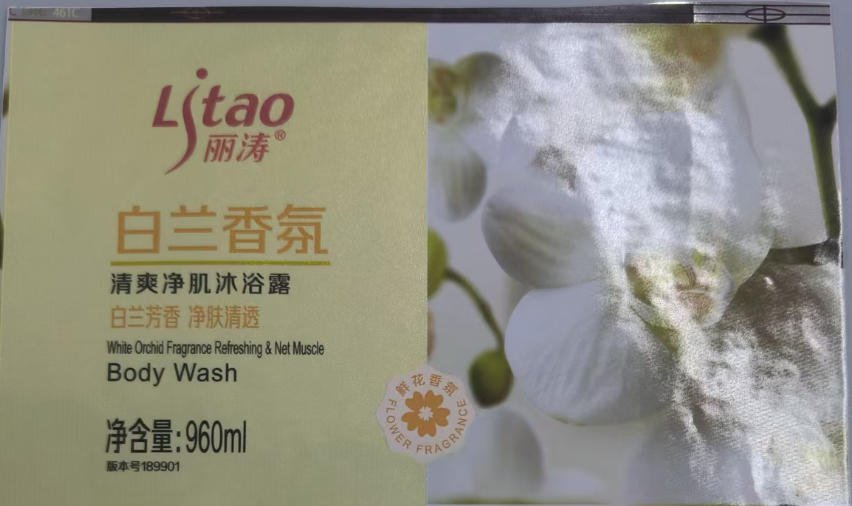
Soft-touch (also called velvet or tactile) laminate film has a micro-textured surface — usually an embossed or cast-treated BOPP or PET face. The hand feel is the product. Anyone holding the label will run a thumb across it within 2 seconds. That moment is what you’re paying for.
What we see on press:
- Thickness runs 15–20 μm (vs 12–15 μm for standard BOPP). Slightly stiffer on the roll, which can affect die-cutting on tight radii — keep corner radius ≥ 1.5 mm.
- Cost is real. Soft-touch films run 40–70% above gloss BOPP in our purchasing, and that hits the quote.
- Print colors shift slightly warmer because the textured surface scatters warm wavelengths. Compensate in the file or the first proof will look “off.”
Where it breaks:
- Oily fingers. The texture grabs skin oil and shows it. We had a beauty client lose a 5,000-piece run because the QA team tested the sample after lunch. Solution: specify an anti-fingerprint (AF) topcoat, which adds 8–12% to the soft-touch cost but solves the problem.
- High-rub applications. Soft-touch is less abrasion-resistant than gloss or matte. For a label that gets handled 50+ times (e.g., a small consumer electronic), the velvet effect flattens within weeks. Don’t put it on anything that lives in a pocket or purse.
Side-by-Side: What the Three Films Actually Do
| Property | Gloss BOPP | Matte BOPP | Soft-Touch (BOPP/PET) |
|---|---|---|---|
| Color shift vs. unlaminated | +15 to +20% saturation | –8 to –12% perceived brightness | –5 to –8%, slightly warmer |
| ΔE vs. approved proof (typical) | ≤ 2.0 | 3.5–5.0 | 2.5–4.0 |
| Glare under direct light | High | Very low | Very low |
| Fingerprint visibility (dark colors) | High | Low | Low–Medium |
| Pair with foil stamping | Excellent | Poor (mutes foil) | Test required |
| Cold-chain performance (–18 °C) | Brittle, edge cracks in 2–4 wks | Same failure mode | Same — spec low-temp grade |
| Typical thickness | 12–15 μm | 12–15 μm | 15–20 μm |
| Relative cost | Baseline | +5–8% | +40–70% |
| Best fit | Beverage, FMCG, retail | Wine, decor, baby, gift | Luxury, limited edition, gift box |
Lamination Tension: The Defect Nobody Talks About
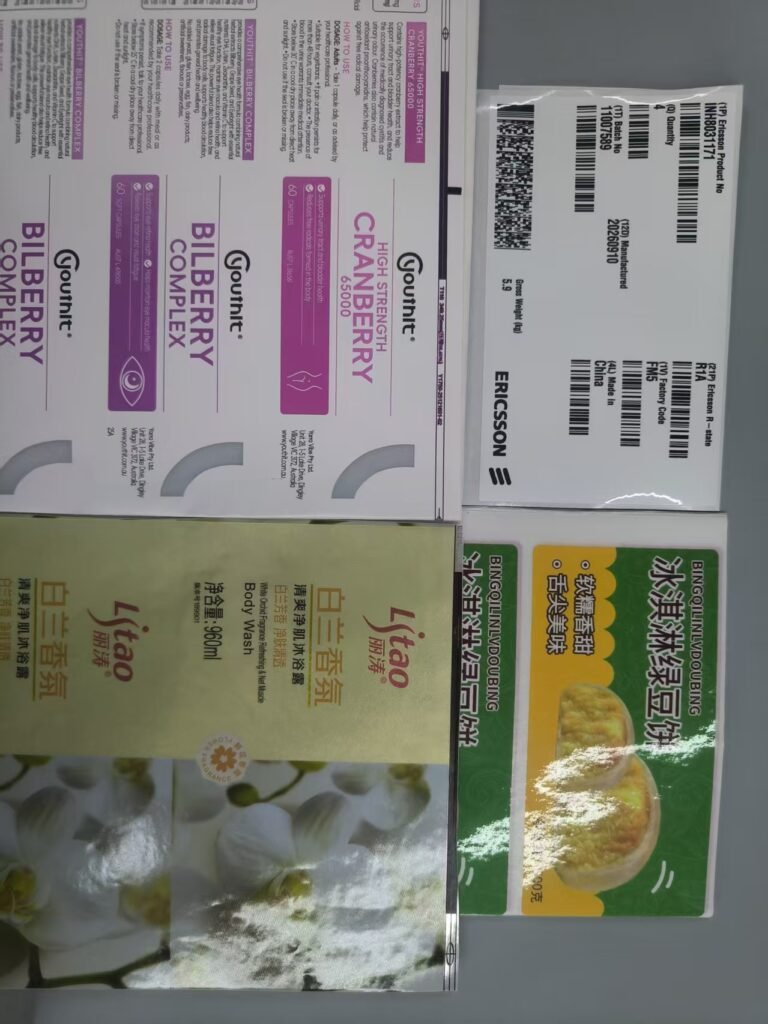
Half the “bad lamination” we get back in the plant isn’t a film problem. It’s a tension problem. The film is stretched as it goes through the nip, the adhesive sets, and 48 hours later the finished label curls or lifts at the corner — usually on the side that wasn’t stretched as much as the face stock. On a labeling line that means mis-feeds, label jumps, and a 2% downtime rate that nobody can explain.
Three things that fix it:
- Match the lamination direction to the face stock’s grain. Cross-direction lamination on a MD-oriented paper is the most common cause of post-die-cut curl.
- Set the unwind tension to 1.5–2.5 N/cm for 15 μm BOPP. Above 3 N/cm and you’re pre-stretching the film, which relaxes after slitting and curls the sheet.
- Condition the stock. 23 °C, 50% RH, minimum 24 hours before laminating. A roll that came off the truck at 8 °C in January will behave differently than the same roll in July. We condition everything in our hold room before it touches the laminator.
On 17″ Mohawk and Heidelberg presses we run, the silvering defect (tiny air pockets between film and print) usually disappears when the nip temperature goes from 70 °C to 85 °C and the line speed drops 10%. If you’re seeing silvering on the first sample, don’t blame the film yet.
Lamination vs Varnish: Pick by Use, Not by Catalog
Varnish (oil-based, aqueous, or UV-cured) is a liquid layer. Lamination is a film. The trade-off isn’t subjective — it’s measurable.
- Taber abrasion (CS-10 wheel, 500 g load): a 12 μm BOPP laminate typically survives 800–1,200 cycles. A high-grade UV varnish survives 150–300. Aqueous varnish: 50–100. If your label is going to be rubbed, laminated wins by a factor of 4–10×.
- Water resistance: laminated passes 24 h immersion on most face stocks. UV varnish: 4–8 h. Aqueous: 1–2 h.
- Recyclability: varnish wins. Most laminating films disrupt paper recycling streams, though wash-off and compatible PET/BOPP grades are improving. If your brand has a recyclability commitment, talk to your converter about mono-material constructions before defaulting to laminate.
Rule of thumb: if the label faces abuse — cold chain, outdoor, high-touch, kitchen, bathroom — laminate. If the priority is appearance + recyclability, and the label lives in a low-handle environment (e.g., a book sleeve, a cosmetics box), varnish is fine.
Three Times to Skip Lamination
These are the three jobs I push back on when the brief comes in.
Cold-chain and frozen food
Standard BOPP gets brittle below –10 °C. At –18 °C, the film’s elongation at break drops from ~120% to under 40%, and you’ll see edge cracking within 2–4 weeks of freezer storage. We’ve measured this with tensile testing on a Thwing-Albert EJA series. For frozen SKUs, use a low-temp-grade laminate (some suppliers offer down to –40 °C flexibility) or move to a high-grade UV varnish.
Variable data, barcodes, and batch codes
Laminate film doesn’t take ink. Thermal transfer, inkjet, and even most laser prints will smear, skip, or simply not adhere on a laminated surface. Print variable data before lamination, or design a non-laminated window. The window has to be ≥ 8 mm in the smallest dimension for our inline inkjet to land reliably.
Bright foil stamping
Already covered this above, but it’s worth repeating because it comes up weekly: matte under foil = dull foil. Either switch to gloss, or do matte + spot UV over the foil area. The spot UV brings the highlight back without flattening the rest of the design.
The 6-Question Checklist We Run Before Quoting
Before we recommend a film on any new project, we walk the brief through these. If the client can’t answer all six, the answer is “send a sample request, not a PO.”
- End-use temperature. Frozen? Refrigerated? Ambient? Outdoors?
- Storage and shipping. Will it go through freeze–thaw cycles? Sit in a warehouse at 40 °C?
- Post-press processes. Foil stamping, variable data, die-cutting, scoring?
- Container. Glass, PET, HDPE, paper, curved, flat, textured?
- Application conditions. Line speed, label temperature at application, humidity.
- Sustainability targets. Recyclable, mono-material, wash-off adhesive needed?
Once those are locked, the film choice is usually obvious. Gloss, matte, or soft-touch is a 30-second decision. The rest of the conversation is about face stock, adhesive, and the line.
What We Ship the Most (For What It’s Worth)
Across the labels we laminated in the last 12 months, the split was roughly:
- Gloss BOPP — about 55%. Beverages, snacks, personal care, retail. Workhorse film.
- Matte BOPP — about 30%. Wine, decor, premium FMCG, baby products.
- Soft-touch / specialty — about 15%. Cosmetics, spirits (limited edition), gift boxes, electronics accessories.
If you’re not sure which bucket you’re in, you’re probably in the first one. Gloss is the default for a reason. Start there, and only move to matte or soft-touch when the design or the use case forces it.
Bottom Line
Lamination is one layer in the label material stack, not the whole decision. The same film on a coated paper face stock, a PET bottle, a textured kraft, and a curved glass jar will give you four different results. Approve on a sample that matches your actual face stock, container, and storage condition — not on a generic proof.
And if a converter tells you a film “works for everything,” get a second quote.
FAQ
What is the best lamination for product labels?
It depends on where the label lives. For shelf recognition in beverage, snack, and retail, gloss lamination is the default. For a quieter, premium look, matte lamination. For a tactile signature on luxury or limited-edition work, soft-touch lamination film. The “best” is the one that matches your face stock, container, and storage condition — not the most expensive one.
Matte or gloss — which looks more premium?
Matte reads as premium on dark, restrained designs (wine, decor, gift). Gloss reads as premium on bright, saturated retail designs. A cosmetics brand with a deep green bottle will look more premium in matte. A juice brand with a yellow gradient will look more premium in gloss. The film doesn’t add premium — it reveals whether the design underneath is restrained or expressive.
Is soft-touch lamination worth the cost?
Only if the consumer will hold the label. If the product sits on a shelf and gets touched once before opening, soft-touch is wasted money. If the product is a gift, a limited edition, or something the buyer carries and handles, the 40–70% cost premium pays for itself in unboxing perception. For everything in between, matte is the better value.
Can I print on a laminated label?
No. Standard BOPP laminate film does not absorb ink — thermal transfer, inkjet, and most laser outputs will fail on a laminated surface. Print variable data, barcodes, and batch codes before lamination, or leave a non-laminated window in the layout (we recommend ≥ 8 mm in the smallest dimension for reliable inkjet landing).
What film works for cold-chain and frozen-food labels?
Standard BOPP becomes brittle below about –10 °C and cracks at the edge in freezer storage. For cold-chain or frozen-food SKUs, specify a low-temperature-grade laminate (some suppliers rate down to –40 °C) or move to a high-grade UV varnish. We confirm this with tensile-elongation testing on a Thwing-Albert EJA before approving any frozen-food job.
Lamination or UV varnish for labels?
Lamination is 4–10× more abrasion-resistant and 3–5× more water-resistant than a typical UV varnish, so it wins anywhere the label faces handling, moisture, or transit. UV varnish wins on recyclability, cost, and the ability to apply as a spot finish. Pick by use environment, not by sample.
Why does my foil look dull after lamination?
Matte laminate under metallic foil will mute the foil’s reflectivity — the matte texture sits on top of the reflective layer and scatters the light. Use gloss laminate, or apply a spot UV over the foil after matte lamination to bring the highlight back. This is the single most common foil-stamping complaint we see, and it’s almost always a film-mismatch issue, not a foil-quality issue.