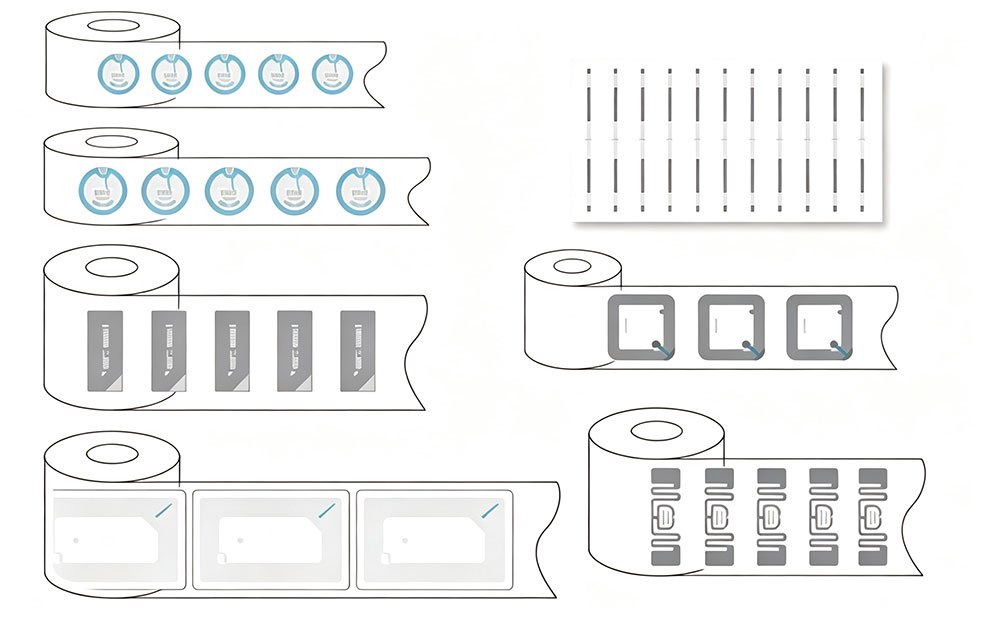
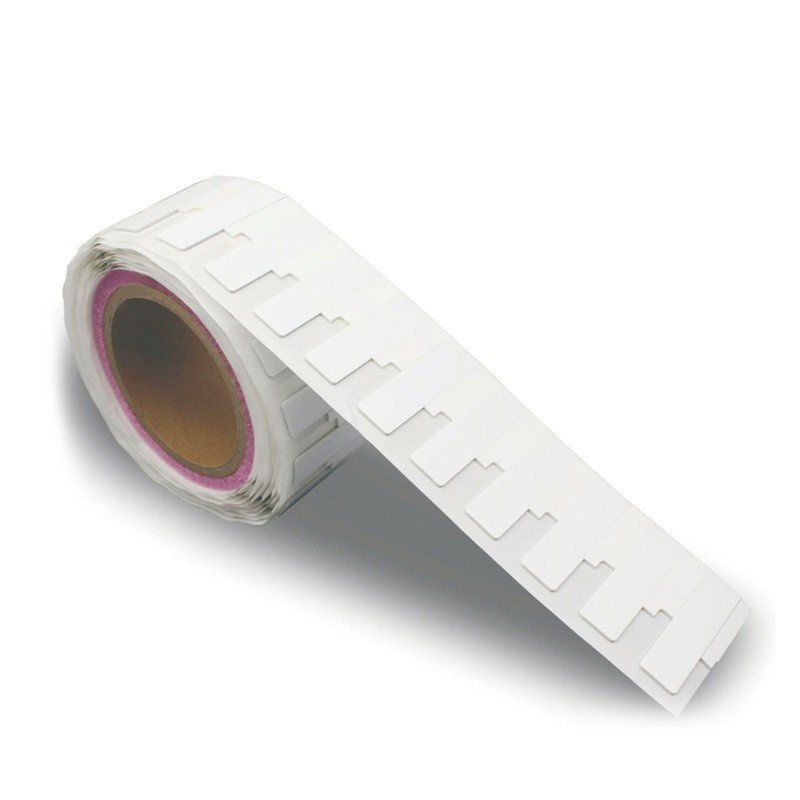
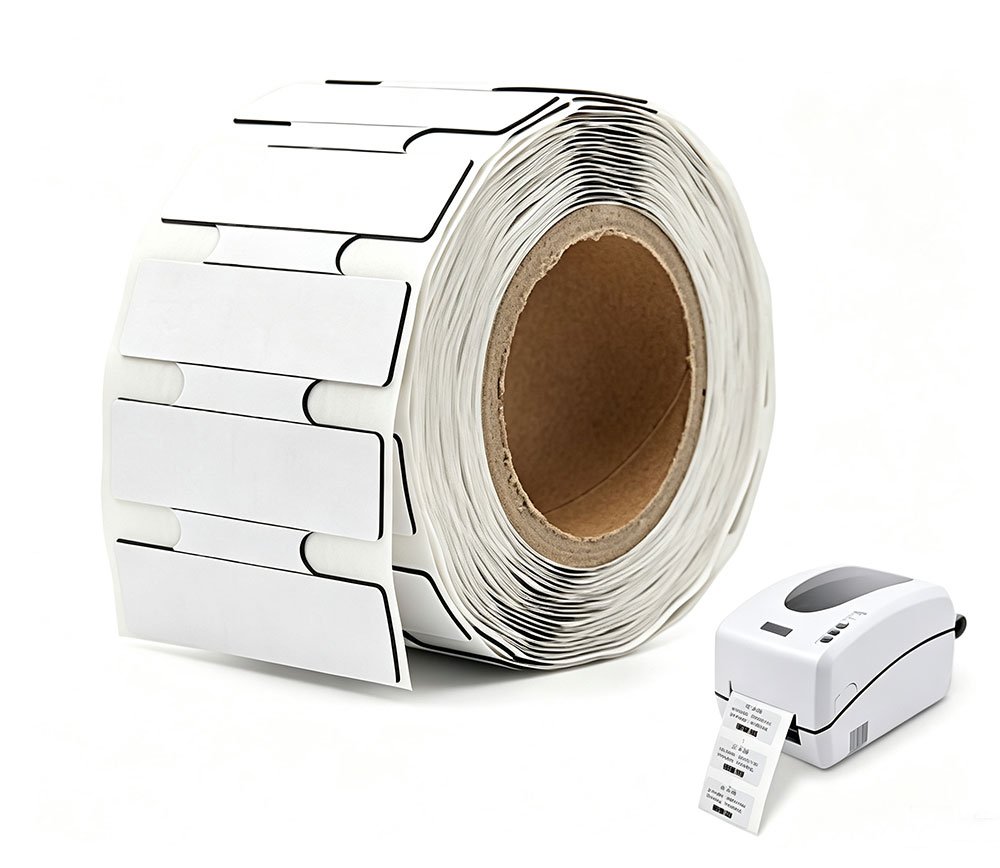
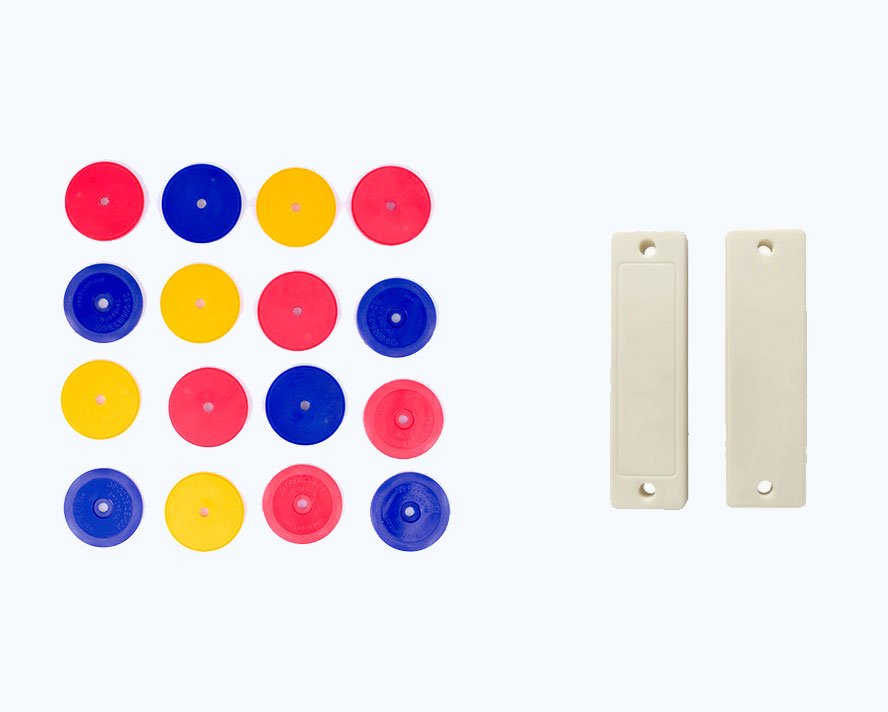
| Core Principle | Wireless communication based on radio frequency signals, transmitting data through electromagnetic fields without mechanical or optical contact. | Machine-readable optical symbols based on light reflection, encoding data with printed black bars and white spaces and requiring optical scanning. |
|---|
| Reading Method | Contactless wireless reading with no line-of-sight requirement, capable of penetrating paper, plastic, and other non-metallic obstructions. | Contact or close-range optical scanning requiring precise alignment with the label surface; obstruction or contamination can prevent recognition. |
|---|
| Reading Distance | 0.1 m to tens of meters. Passive tags are typically 1-5 m, while active tags can reach several tens of meters. | Usually under 30 cm. Requires close-range scanning and becomes unreadable at greater distances. |
|---|
| Reading Efficiency | Very high, supporting batch reading with dozens of tags identified in a single operation. | Lower, identifying only one code at a time and requiring sequential scanning. |
|---|
| Data Storage Capacity | Large capacity, with passive tags typically storing 128-4096 bits and active tags supporting kilobytes of data. | Very limited capacity, usually under 100 bytes, storing only a unique code such as a 13-digit product number. |
|---|
| Read/Write Capability | Supports repeated rewriting so tag data can be updated as needed. | Read-only once printed, with data that cannot be modified afterward. |
|---|
| Environmental Resistance | Strong resistance to high temperature, water, oil, and corrosion, making it suitable for harsh industrial environments. | Weak resistance to contamination, creasing, and wear; label failure occurs once the printed layer is damaged. |
|---|
| Security | High security with encrypted transmission, identity verification, and strong anti-counterfeiting protection. | Low security, as codes can be copied or forged without encryption safeguards. |
|---|
| Cost | Higher label and reader cost, with passive tags typically priced around RMB 0.5-5 and active tags costing more. | Extremely low cost, with printing cost only a few cents and basic scanning hardware remaining affordable. |
|---|
| Service Life | Long service life. Passive tags have no mechanical wear, often lasting 5-10 years and supporting reuse. | Short service life, with labels prone to wear or detachment and typically lasting 1-3 years. |
|---|
| Multi-Tag Reading | Supported, enabling simultaneous identification of multiple tags within the field of view. | Not supported, as only one barcode can be scanned at a time and each must be aligned individually. |
|---|
| Application Scenarios | Smart warehousing, asset management, logistics traceability, access control, industrial automation, and new retail scenarios that require batch, long-range, and high-security identification. | Retail checkout, express shipping labels, library management, and basic product identification where low cost and near-field single-item reading are sufficient. |
|---|