
If you work in product marking, warehouse management, electronics manufacturing, or retail, you’ve probably dealt with label failures: prints that smudge when wet, text that fades in sunlight, barcodes that blur in heat, edges that lift on curved surfaces, sticky residue that won’t come off, or security stickers that can be peeled and reused.
Custom self-adhesive labels come in dozens of varieties, and the technical specs vary wildly. Pick the wrong material and you’ll waste money, potentially damage your brand, or run into compliance problems. This guide cuts through the noise. It starts with what self-adhesive labels actually are and how they’re built, then breaks down 10 common materials using a consistent framework: what it is, how it performs, key specs, standard sizes, and where to use it. No filler, just what you need to make better purchasing decisions.
1. What Self-Adhesive Labels Actually Are
Self-adhesive labels—sometimes called pressure-sensitive labels in technical documents—are multi-layer materials designed for marking. They use paper, film, or specialty substrates as the face, with pressure-activated adhesive on the back and a silicone-coated release liner.
Manufacturing turns raw stock into finished labels through color printing, die-cutting, laminating, and variable data printing (barcodes, QR codes, dates, batch numbers).
Unlike old-school glue-on stickers, self-adhesive labels come pre-coated. Peel off the liner, stick it on. They work with manual application and high-speed machines, and they can carry variable data like serial numbers, expiration dates, prices, and tracking codes.
2. The Three-Layer Structure (This Determines How Long Labels Last)
Every roll-fed and sheet-fed label has three bonded layers. How well these layers match determines adhesion strength, print clarity, and weather resistance. Understanding this is fundamental to smart purchasing:
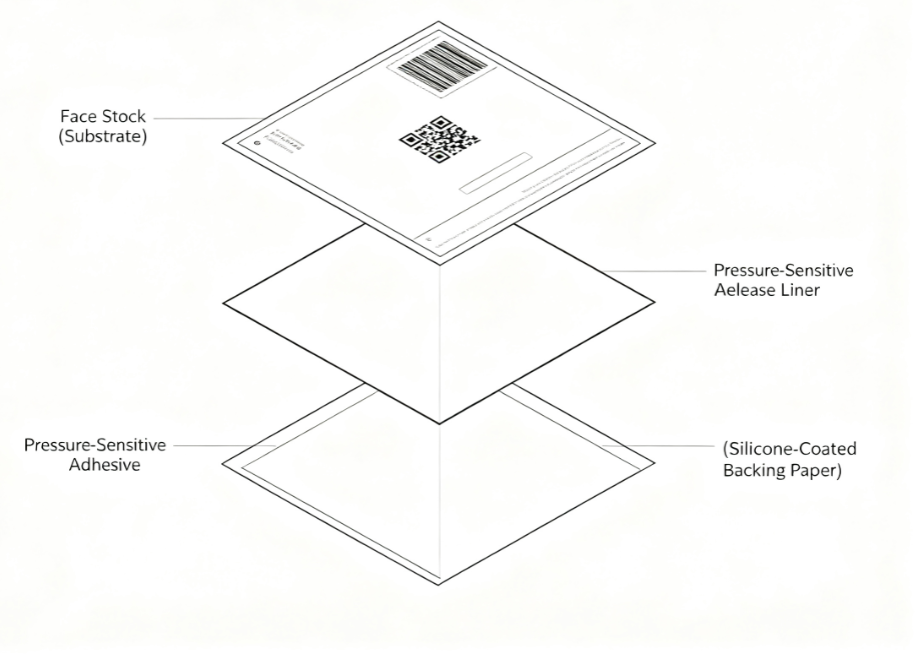
- Face Stock
The top layer that holds your text, logos, barcodes, and QR codes. Two main types: paper and film. This is the primary way to distinguish label types. Common options include coated art paper, matte silver PET, transparent film, and synthetic paper. - Adhesive
Classified by working conditions: permanent high-tack, residue-free removable, low-temperature cold storage, and high-temperature specialty adhesives. The formulation needs to match the surface—metal, plastic, curved substrates, extreme temperatures. - Release Liner
Keeps the adhesive from sticking to itself on the roll. Glassine liner is standard—smooth and flat, compatible with desktop barcode printers and high-speed labeling equipment.
Reference: https://www.averydennison.com
3. Breakdown of 10 Common Self-Adhesive Materials
3.1 Coated Art Paper Labels (Budget-Friendly General Paper)
What It Is
The most economical paper face stock. Manufactured with single or double-sided coating, available in sheets and rolls. Comes in glossy and matte finishes. This is the default choice for dry indoor applications.
How It Performs
Smooth surface gives excellent color reproduction for printing and thermal transfer barcodes. Cuts cleanly during die-cutting. The catch: no water resistance. Gets soggy and tears easily in humid environments, and ink can smudge.
Key Specs
Standard weights: 80g, 100g, 120g. Temperature range: -10℃ to 60℃. Not water or solvent resistant. Works with general water-based adhesive.
Standard Sizes
Roll widths: 40mm, 60mm, 80mm, 100mm, 120mm, custom lengths available. Popular finished sizes: 30×20mm, 50×30mm, 100×60mm.
Where to Use It
Warehouse inventory barcodes, temporary indoor product tags, inner packaging labels for dry food, office file labels, carton sorting marks.
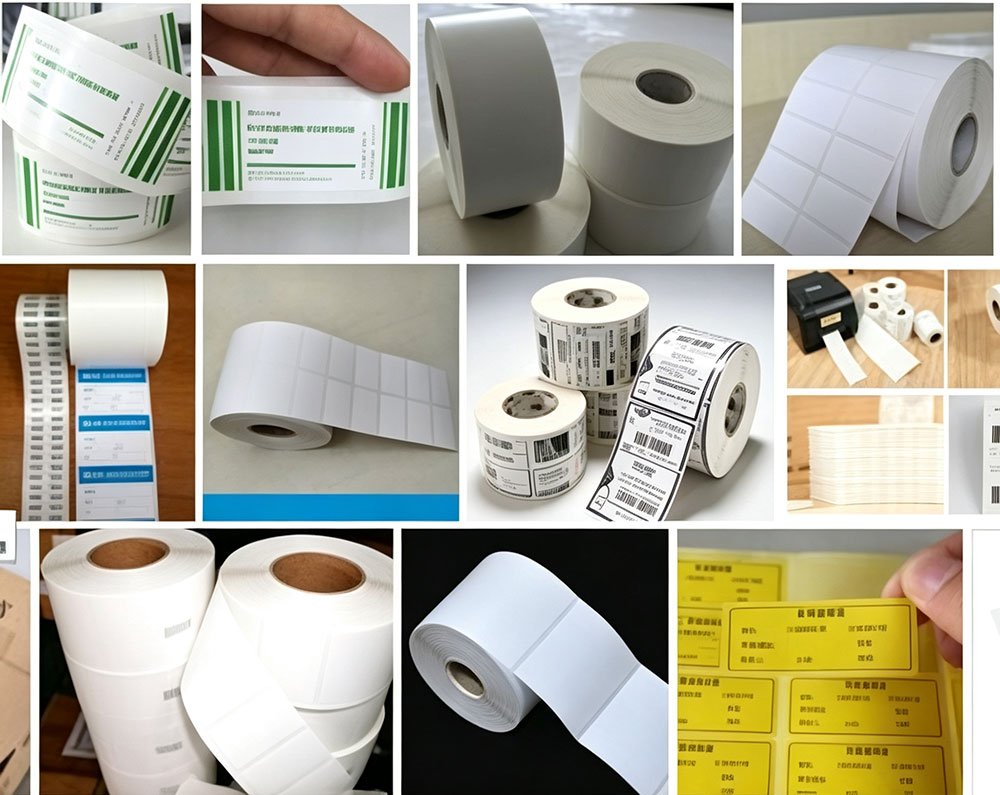
3.2 Matte Silver Polyester Labels (For Electronic Nameplates)
What It Is
High-molecular PET film substrate. Matte white variants are sometimes called pearl white film. This thermal transfer film is widely used for permanent marking on electronics.
How It Performs
Rigid, tear-resistant, waterproof, and resistant to acid and alkali. Paired with high-strength permanent adhesive. Prints made with thermal ribbons resist scratching and abrasion. Important note: this substrate conducts electricity, so don’t use it on insulated electronic components. Use transparent PET for insulation needs.
Key Specs
Film thickness: 25μm, 50μm, 75μm, 100μm. Stable operating temperature: -20℃ to 140℃. Matte non-reflective finish. Tensile strength ≥150MPa. Conductive.
Standard Sizes
Roll widths: 50mm, 70mm, 100mm, 150mm. Custom die-cut shapes (circles, irregular) available. Popular sizes: 25×15mm, 40×20mm, 60×40mm.
Where to Use It
Permanent nameplates for digital devices, lithium battery labels for phones, power adapter tags, electronic component marks for monitors and printers, fixed stickers for small appliances.
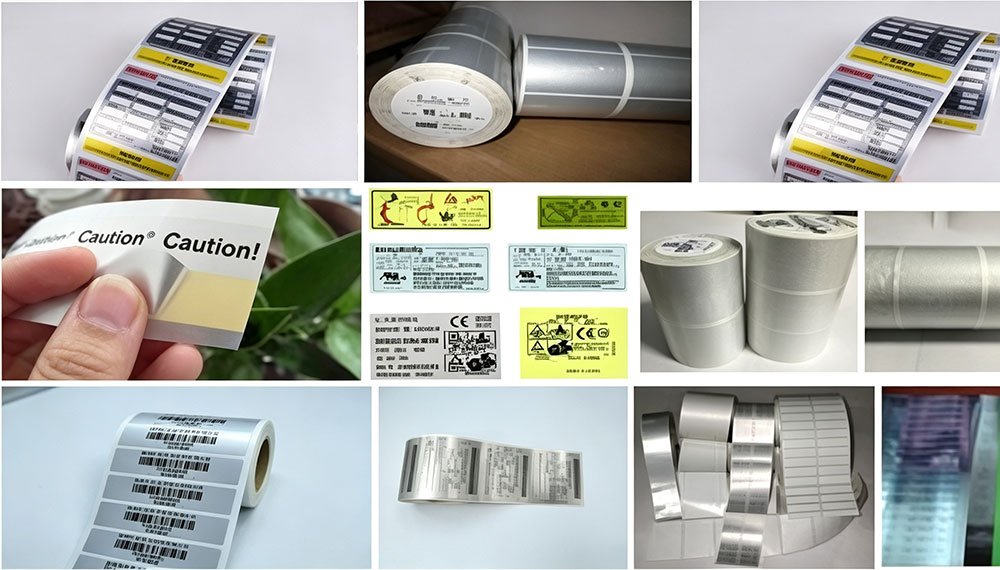
3.3 Clear Film Labels (For Curved Bottle Marking)
What It Is
Roll-form transparent film stock covering PET, OPP, PVC, PE, and PP substrates. Learn more about the differences in our PVC vs PET vs BOPP vs Synthetic Paper comparison guide. Available in fully transparent, semi-transparent frosted, and opaque variants. Fully transparent is the most common.
How It Performs
High light transmission with flexible texture that conforms well to curved bottle surfaces. Frosted matte finishes available on request. Thin construction requires high-tack adhesive to prevent edge lifting over time.
Key Specs
Common thickness: 12μm, 25μm, 36μm, 50μm. Temperature range: -15℃ to 80℃. Light transmittance: 85%~92%. Works with UV curing ink, handles mild condensation.
Standard Sizes
Roll widths: 30mm, 60mm, 90mm, 130mm. Custom circular and oval shapes available. Popular sizes: 40×25mm, 70×40mm, 100×50mm.
Where to Use It
Transparent brand logos for cosmetic bottles, decorative labels for beverage containers, gift box sealing stickers, brand marks for clear plastic vessels, skincare packaging decorations.
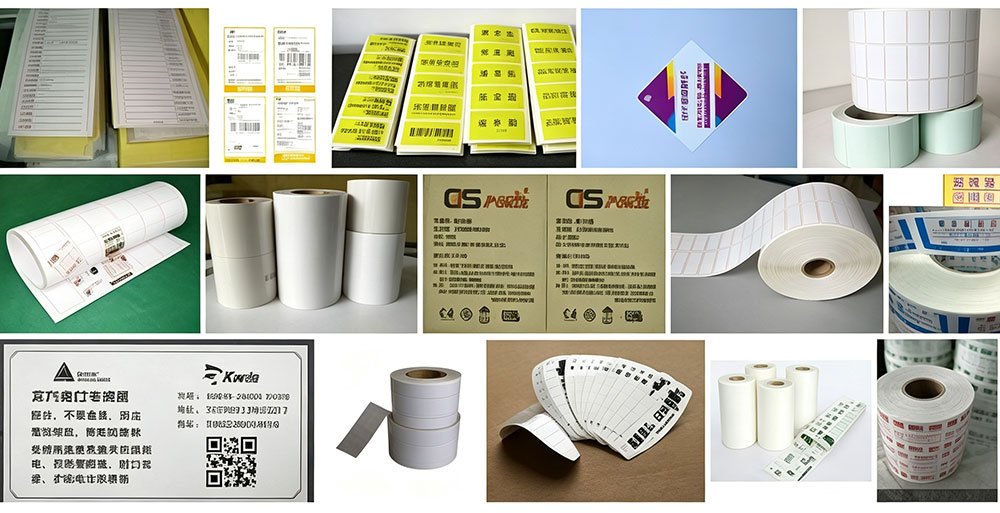
3.4 Synthetic Paper Labels (Waterproof for Outdoor & Food Use)
What It Is
Eco-friendly composite paper made from polymer fiber. No lint, no powder shedding. Meets national standards for direct food contact.
How It Performs
Lightweight but highly tear-resistant. Waterproof, UV-resistant, mold and insect repellent. Dust-free composition makes it suitable for cleanroom identification. Holds up well in cold, humid food storage and long-term outdoor placement.
Key Specs
Thickness options: 54μm, 75μm, 95μm, 145μm. Temperature range: -30℃ to 120℃. Transverse elongation at break ≤100%. Resists water and weak acids/bases. Safe for direct food contact.
Standard Sizes
Roll widths: 60mm, 100mm, 150mm, 200mm. Large-format outdoor rolls can be customized. Popular sizes: 50×30mm, 80×50mm, 120×80mm.
Where to Use It
Outdoor advertising marks, cold chain food packaging, cleanroom production tags, hanging tags for outdoor agricultural products, waterproof labels for chemical containers.
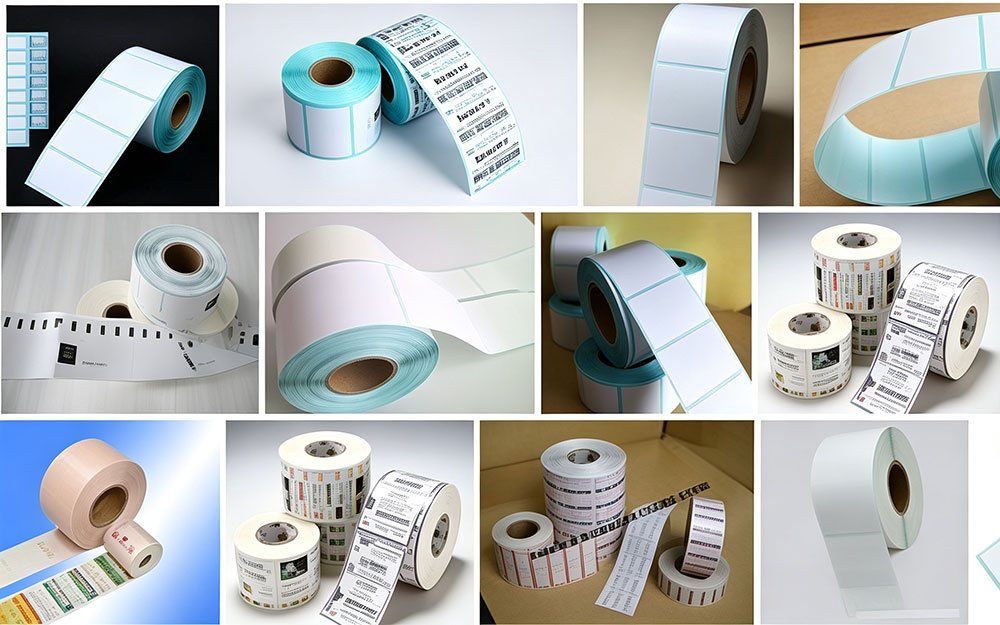
3.5 Thermal Paper Labels (White Grid / Blue Grid Three-Proof)
What It Is
Three-layer thermal composite: base paper + thermal color-developing coating + protective layer. No thermal ribbon needed, which lowers operating costs.
How It Performs
Fast color development under heat with quick printing speeds. Standard thermal paper fades fast under continuous light. Three-proof variants add water, oil, and scratch resistance. Quick test: scratch the surface with a coin—genuine thermal stock leaves distinct black marks.
Key Specs
Standard weights: 60g, 80g, 100g. Short-term temperature: -5℃ to 60℃. Unmodified thermal paper stays legible for only 3–12 months in sunlight. Three-proof variants resist minor water and oil splashes.
Standard Sizes
Popular roll sizes: 50×30mm, 80×40mm, 100×60mm. Standard widths for logistics labels: 80mm, 100mm.
Where to Use It
E-commerce shipping waybills, supermarket scale price tags, food takeout order stickers, short-term warehouse inventory tags, retail receipt printer labels.
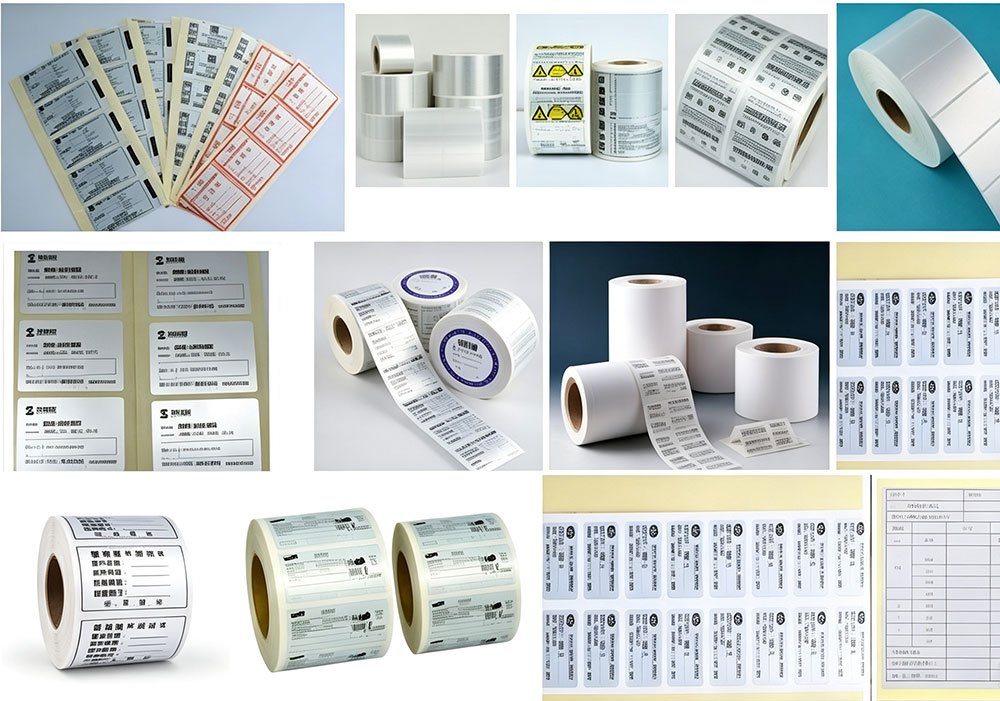
3.6 PET Polyester Labels (Weather-Resistant Outdoor Film)
What It Is
High-strength PET polyester film produced in matte silver, glossy silver, matte white, glossy white, and transparent grades. Premium substrate for long-term industrial permanent marking.
How It Performs
High tensile strength with broad stable temperature range. Resists acid, alkali, and industrial solvent corrosion. Resists aging and discoloration under long-term outdoor sunlight. UV curing ink required during printing to guarantee stable ink adhesion.
Key Specs
Film thickness: 25μm, 50μm, 75μm, 100μm, 125μm. Long-term stable temperature: -40℃ to 150℃, short-term peak up to 180℃. UV anti-aging lifespan: 3–5 years. Resists weak acids and alkalis.
Standard Sizes
Roll widths: 40mm, 80mm, 120mm, 160mm. Custom small industrial nameplates from 20×10mm to 150×100mm available.
Where to Use It
Permanent nameplates for outdoor mechanical equipment, decorative decals for auto parts, highway reflective signage base film, corrosion-resistant tags for chemical storage tanks, long-term packaging labels for high-end cosmetics.
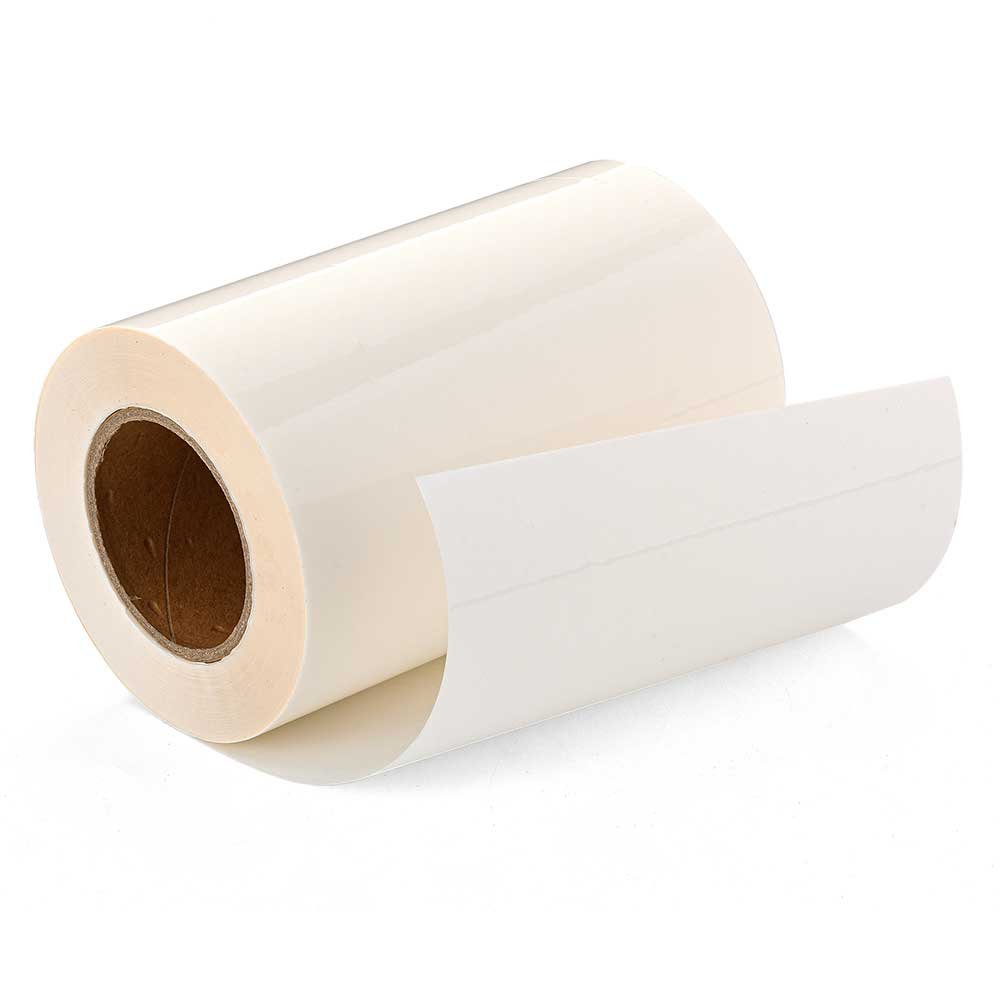
3.7 Anti-Counterfeit Paper Labels (One-Item-One-Code Tamper-Evident)
What It Is
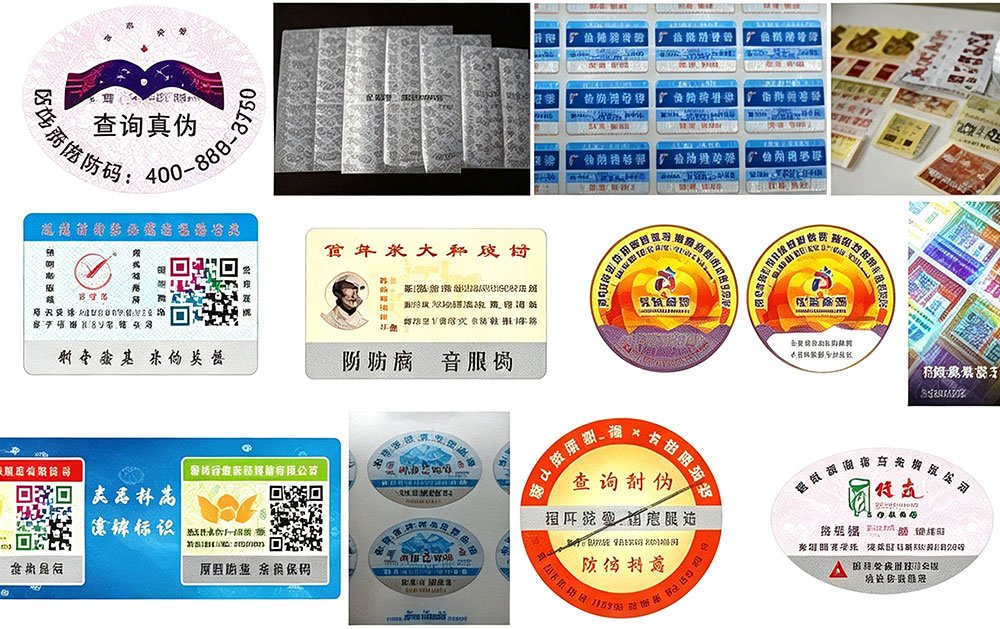
Tamper-proof identifiers affixed to products, packaging, or brand tags that rely on exclusive recognition technologies. Common types include holographic laser, peel-reveal hidden text, invisible graphics, RFID electronic encoding, and DNA color code.
How It Performs
Exclusive tamper-evident design: the label fractures completely when peeled, revealing hidden verification text underneath. Supports unique variable QR codes, sequential serial numbers, and scratch-off validation layers. Dual-card, micro-porous, and magnetic code structures available.
Key Specs
Substrate specs: 80g anti-counterfeit paper, 50μm holographic PET film. Temperature range: -10℃ to 70℃. 100% peel damage rate prevents intact removal and reuse.
Standard Sizes
Common circular: Φ15mm, Φ20mm, Φ25mm. Rectangular: 30×20mm, 40×30mm. Custom irregular shapes supported.
Where to Use It
Anti-counterfeit packaging for pharmaceuticals and health supplements, traceability labels for wine and tobacco, anti-fake stickers for luxury apparel and footwear, seed traceability tags, auto parts identification, printed publications, daily cosmetics.
3.8 Coated Cardstock Labels (High-Stiffness for Apparel Hangtags)
What It Is
High-rigidity thick cardstock with smooth uniform surface. Suitable for roll printing and custom die-cut hangtags. The primary specialty paper for retail price tags and garment labels.
How It Performs
High stiffness and rigidity. Compatible with diverse die-cut shapes including long strips, foldable formats, triangles, and pocket-style outlines. Limitations: no water or oil resistance, prone to tearing under tension.
Key Specs
Standard weights: 200g, 250g, 300g. Temperature range: 0℃ to 60℃. No water/oil resistance. Stiffness value ≥12mN.
Standard Sizes
Roll widths for hangtag production: 50mm, 80mm, 100mm. Popular finished sizes: 150×40mm, 120×50mm, 80×30mm.
Where to Use It
Brand hangtags for clothing and footwear, retail commodity price tags, descriptive tags for boutique merchandise, paper hanging labels for toys and gift sets.
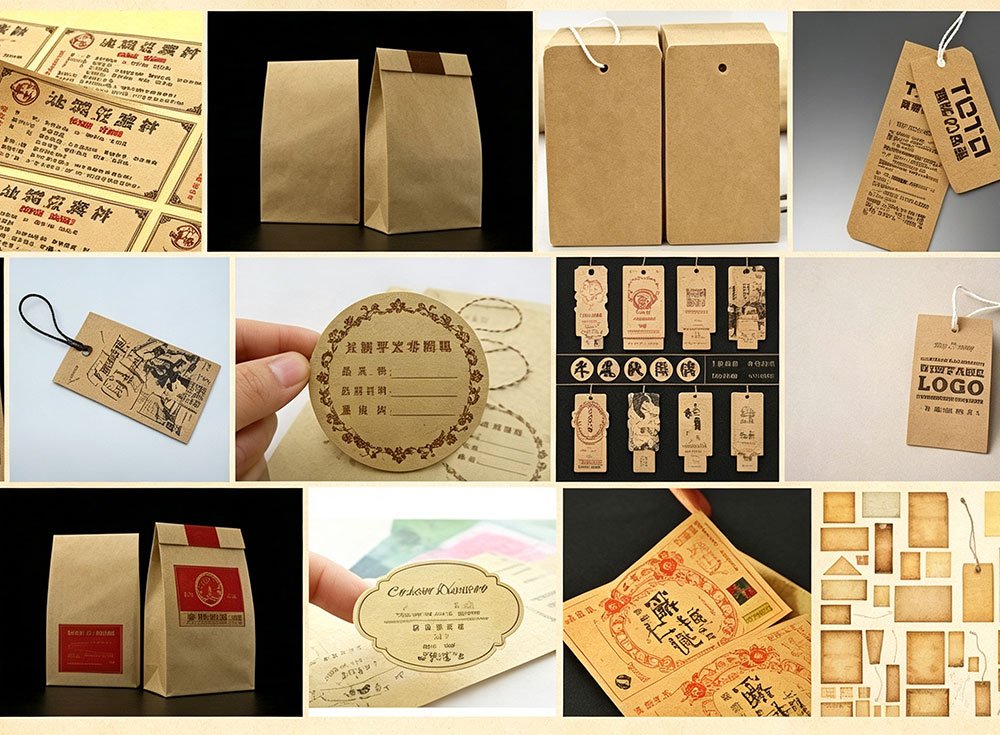
3.9 Kraft Paper Labels (Vintage Eco-Friendly)
What It Is
Unbleached natural kraft base with natural tan hue. Semi-bleached and fully bleached variants come in light brown, cream, and off-white tones. Retro-style eco-friendly paper substrate.
How It Performs
High burst and tear resistance. Natural matte finish without lamination. Excellent ink absorption ideal for vintage printing techniques. Not waterproof and warps easily in humid environments.
Key Specs
Standard weights: 80g, 100g, 120g, 160g. Temperature range: -10℃ to 65℃. Natural fiber composition with no fluorescent whitening agents. Fully recyclable and biodegradable.
Standard Sizes
Roll widths: 40mm, 70mm, 110mm. Custom circular kraft stickers: Φ30mm. Rectangular labels: 60×40mm, 100×60mm.
Where to Use It
Sealing stickers for handmade gift boxes, packaging labels for bakery products, hanging tags for local specialty agricultural goods, retro decorative stickers for cultural and creative packaging, decorative labels for coffee and tea packaging.
3.10 PI High-Temperature Resistant Labels (Specialty for SMT Reflow Soldering)
What It Is
Polyimide high-temperature specialty film. Exclusive substrate designed for high-temperature manufacturing processes in PCB and semiconductor production.
How It Performs
Ultra-wide temperature tolerance. Barcodes and printed text remain intact without peeling or blurring after reflow soldering and wave soldering baking cycles. Resists flux and industrial solvent corrosion with inherent insulating properties.
Key Specs
Common film thickness: 25μm, 50μm. Long-term stable temperature: -40℃ to 300℃, instantaneous peak up to 400℃. Insulation impedance ≥10¹⁴Ω. Resists all types of solder flux and acid-base solvents.
Standard Sizes
Standard narrow industrial roll widths: 20mm, 40mm, 60mm. Micro finished tag dimensions: 10×5mm, 20×10mm, 30×15mm.
Where to Use It
High-temperature tracking labels for PCB SMT processes, production identification tags for precision electronic components, heat-resistant labels for automotive engine parts, batch tracking stickers for semiconductor manufacturing.
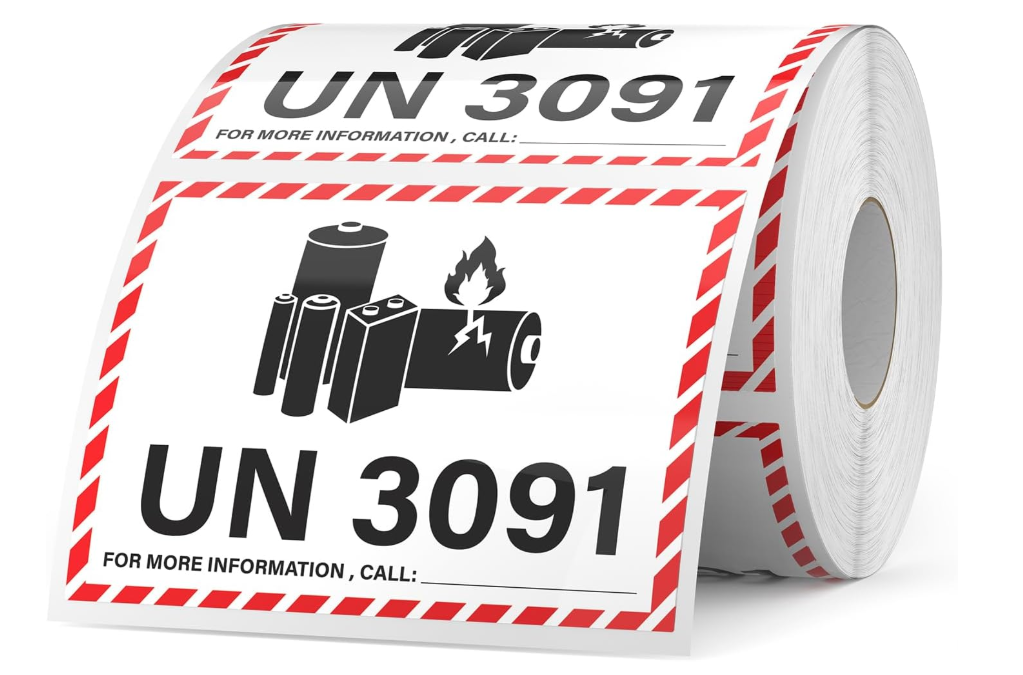
4. Three Core Principles for Selecting Self-Adhesive Labels (Solves 90% of Procurement Problems)
Instead of comparing dozens of materials blindly, focus on three core evaluation dimensions to avoid most field failures:
- Operating Environment
Coated art paper works for dry indoor settings. Synthetic paper, PET, and matte silver film handle water and humidity. Thickened weather-resistant PET is for year-round outdoor exposure. PI high-temperature labels are mandatory for welding and baking processes. Cold storage needs adhesive formulated for low temperatures. - Printing Equipment Compatibility
Thermal printers pair with thermal paper stock. Thermal transfer printers with ribbon support coated art paper, matte silver film, and PET. Synthetic paper, clear film, and kraft paper work best for mass color packaging printing runs. - Service Life & Adhesion Requirements
Thermal paper fits short-term temporary marking like shipping labels and retail price tags. PET and matte silver film are for permanent long-term marking on equipment and electronics. Residue-free removable adhesive stock is for surfaces requiring clean peel-off. Anti-counterfeit paper is for goods requiring channel anti-diversion and full product traceability.
Conclusion
Self-adhesive labels are lightweight, low-cost marking carriers with a full range of material grades covering all industrial operating conditions. Options range from economical coated art paper and vintage kraft paper to food-safe waterproof synthetic film, matte silver electronic nameplates, outdoor weather-resistant PET, industrial PI high-temperature film, and tamper-proof anti-counterfeit stock. Each material grade is engineered for specific temperature, humidity, and abrasion resistance requirements.
Matching technical indicators accurately—material thickness, temperature tolerance, water resistance—eliminates common defects like edge curling, fading, adhesive detachment, and surface scratching at the source. This cuts material waste and post-production rework costs significantly.